
Why Truck Data Can Disappear Before Families Know It Exists
Key Takeaways: To preserve truck black box data before it is lost in New Mexico, families should have a specific, written spoliation letter sent quickly to the trucking company, its insurer, the truck owner, and any towing or storage company. The letter should cover event data recorder and engine control module downloads, electronic logs, telematics, camera footage, maintenance files, and driver records. This data can show speed, braking, and driver inputs before impact, but it may be overwritten during routine fleet operations. If the truck may be repaired, sold, or scrapped, an attorney may need to request a joint inspection or a court order. Courts may sanction companies that destroy evidence after litigation is reasonably anticipated. Wrongful death claims generally must be filed within three years of the death. Claims against government entities generally must be filed within two years, and written notice is often required within 90 days. Electronic evidence can disappear much sooner than any of these deadlines.
After a fatal truck crash, families can protect electronic evidence by having a written preservation demand, often called a spoliation letter, sent to the trucking company as early as possible. Semi truck black box data can show speed, braking, and other driver inputs in the seconds before impact, but it may be overwritten during routine fleet operations long before a lawsuit is filed.
If you lost a loved one in a New Mexico truck accident, The Davis Kelin Law Firm can help you move quickly to protect the evidence your claim may depend on. Call 505-242-7200 or contact us now to schedule a consultation with our trial lawyers.
What Semi Truck Black Box Data Can Reveal
Semi truck black box data often gives an objective record of how a truck was being driven right before a crash. Most modern commercial trucks have an event data recorder or engine control module that logs speed, throttle position, brake application, cruise control status, and sudden deceleration events. Many fleets also use telematics, GPS tracking, forward-facing cameras, and electronic logging devices that record hours of service.
This information matters because a wrongful death claim in New Mexico depends on proving fault. Under NMSA 1978, § 41-2-1 (official source: nmlegis.gov), when a death is caused by the “wrongful act, neglect or default of another,” the person or corporation that would have been liable if death had not occurred may be held liable for damages. You can read the wrongful death statute text for the full language. Under § 41-2-3, the claim is brought by the personal representative of the person who died. Families still have to prove negligence and causation, and electronic data can be among the most persuasive evidence available.
Why Witness Accounts Are Often Not Enough
Eyewitness memories fade, and people often disagree about speed, distance, and timing. A truck driver may say he braked hard, while a witness may remember no brake lights. Black box data may help resolve such disputes with time-stamped records, though it has limits and may need expert interpretation by accident reconstruction professionals.
How Data Overwrite Happens
Electronic data is fragile because many systems save new information over old information. Some recorders keep only a limited event window, and others may overwrite stored events once the truck returns to service. Telematics and camera footage may be deleted under a carrier’s own retention schedule, and federal rules do not generally require carriers to keep camera footage. Families should not assume the data will still exist in a few weeks.
How New Mexico Law Shapes Trucking Evidence
New Mexico’s Motor Carrier Safety Act requires trucking companies to create and keep many records that can support a fatal truck crash claim. Under NMSA 1978, § 65-3-3 (official source: nmlegis.gov), the Act generally applies to interstate vehicles of 10,001 pounds or more and intrastate vehicles of 26,001 pounds or more, subject to certain exemptions. That covers most semi trucks on New Mexico highways. The statute also makes it the motor carrier’s duty to require its drivers to follow the Act’s rules.
State rules work alongside federal trucking regulations rather than replacing them. Under NMSA 1978, § 65-3-4 (official source: nmlegis.gov), New Mexico rules may not be inconsistent with or more stringent than applicable federal safety standards. Federal recordkeeping rules also help define which documents should exist after a crash and how long they must be kept. For example, federal rules generally require hours-of-service and ELD records to be kept for six months. You can review the New Mexico statutes through the state’s official compilation.
Records Carriers Are Required to Keep
Several statutes identify specific categories of trucking evidence a preservation letter should name. Under NMSA 1978, § 65-3-12 (official source: nmlegis.gov), regulations must address items such as driver vehicle inspection reports, and carriers must make safety-related records available to enforcement personnel upon request. NMSA 1978, § 65-3-7(C) (official source: nmlegis.gov) requires carriers to keep records on the qualifications of every driver they employ. NMSA 1978, § 65-3-10 (official source: nmlegis.gov) calls for rules on accident records and reports. Because these retention duties expire after set periods, they do not replace a preservation demand. More detail is available in the NMSA source text.
How to Preserve Truck Black Box Data Through a Spoliation Letter
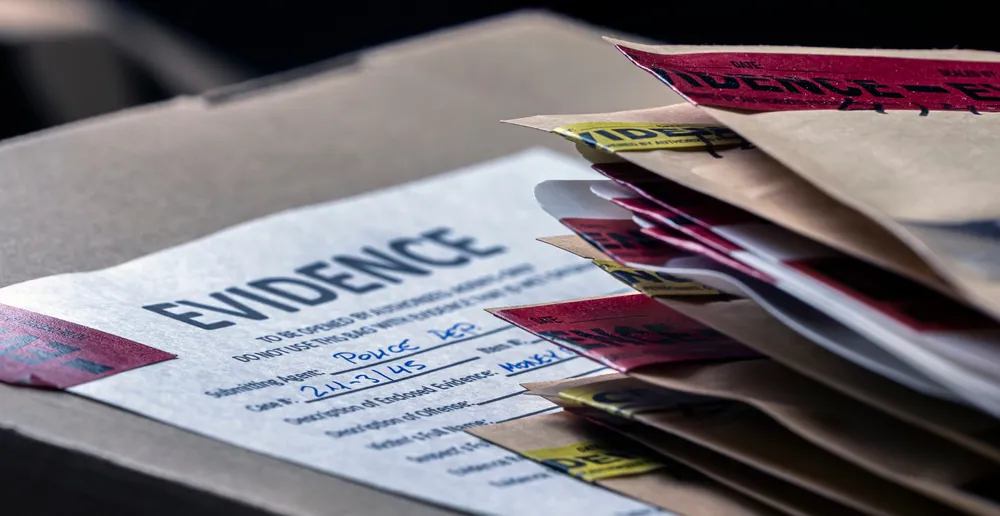
A spoliation letter is a written notice telling the trucking company and its insurer to preserve specific evidence because litigation is reasonably anticipated. It does not physically secure the data on its own, but it puts the carrier on notice, which can matter greatly if evidence later goes missing. A strong letter is specific, prompt, and sent to every party that may control the evidence.
A preservation letter in a fatal truck case often asks the carrier to keep:
- Event data recorder and engine control module downloads, plus the physical modules
- Electronic logging device records, GPS, and telematics data
- Dash camera and driver-facing camera footage
- Driver vehicle inspection reports and maintenance and repair files
- Driver qualification files, drug and alcohol testing records, and training records
- Accident reports, dispatch communications, and cell phone records
In some cases, a letter alone may not be enough. If the truck may be repaired, sold, or scrapped, your attorney may ask for a joint inspection or seek a court order. A qualified technician should download the data using proper procedures and a documented chain of custody. Families should not try to access the truck or its equipment themselves.
💡 Pro Tip: Keep copies of everything you receive after the crash, including the police report number, the trucking company’s name and USDOT number on the cab door, and any letters from insurers. These details help your attorney identify every party who may hold evidence.
What Happens When a Trucking Company Destroys Evidence
New Mexico courts, like courts in most states, recognize that parties may have a duty to preserve evidence once litigation is reasonably anticipated. When relevant evidence is lost or destroyed after that duty arises, courts may consider sanctions, including an adverse-inference jury instruction, exclusion of evidence, or, in serious cases, harsher sanctions. New Mexico also recognizes a separate tort claim for intentional spoliation, but not for negligent spoliation. A New Mexico Law Review article discusses preservation obligations and spoliation standards in New Mexico civil litigation.
Sanctions are not automatic, and they rarely replace the lost evidence. Courts generally look at when the duty arose, whether the party had notice, the party’s level of fault, and how much the loss hurt the other side. A prompt spoliation letter may help establish when the carrier was on notice.
Deadlines New Mexico Families Should Understand
New Mexico deadlines may seem long, but electronic evidence can disappear far sooner. The table below summarizes general filing periods that may apply after a fatal truck crash. Each has exceptions.
| Claim Type | General Deadline | Statute |
|---|---|---|
| Wrongful death | 3 years from date of death | NMSA 1978, § 41-2-2 |
| Personal injury (survival-type claims) | 3 years | NMSA 1978, § 37-1-8 |
| Claims against government entities or public employees | 2 years from date of occurrence | NMSA 1978, § 41-4-15(A) |
The wrongful death deadline generally runs from the date of death. Under NMSA 1978, § 41-2-2 (official source: nmlegis.gov), the action must be brought within three years after the cause of action accrues, which is the date of death. Under NMSA 1978, § 37-1-8 (official source: nmlegis.gov), injury claims generally must be filed within three years, typically from the date of injury. That can matter when a victim survived for a time, because the two claims may have deadlines starting on different dates. See the state limitations law for more.
Claims involving government parties carry a shorter civil filing period. Under NMSA 1978, § 41-4-15(A) (official source: nmlegis.gov), tort actions against a governmental entity or public employee are generally barred unless filed within two years after the occurrence, with a limited exception for minors under age seven. This could apply if a public road crew or government-owned vehicle contributed to the crash. Separately, NMSA 1978, § 41-4-16 generally requires written notice to the government entity within 90 days of the occurrence, unless the entity had actual notice. You can review the Tort Claims Act text for details.
Building a Wrongful Death Case Beyond the Black Box
Electronic data can help show what happened, but a full wrongful death claim also has to prove the losses a family suffered. That often requires testimony from economists about lost earnings and earning capacity, along with evidence about the relationship the family lost. Medical testimony may be needed to explain the cause of death or any suffering before death.
Many fatal crashes are preceded by warning signs, such as a truck weaving or speeding. If you saw dangerous driving, it may help to know how to report a reckless truck driver. Every case depends on its own facts, and no single piece of evidence guarantees a particular outcome.
Frequently Asked Questions
How long does semi truck black box data last?
It depends on the system and the carrier’s practices. Some data may be overwritten within days once the truck returns to service. Other records, such as hours-of-service logs, generally must be kept for at least six months under federal rules.
Who should receive a spoliation letter?
Generally, the motor carrier, its insurer, the truck owner if different, and any towing or storage company holding the vehicle. If a government vehicle or road crew was involved, those entities may need notice too.
Can I request the data myself?
Families can ask, but carriers often refuse to release data without legal process. A properly drafted letter and, where needed, a court order or joint inspection may provide stronger protection.
Does a police investigation preserve the data?
Not necessarily. Law enforcement may download some data for its own purposes, but that does not guarantee all relevant records will be kept or shared with your family.
What if the trucking company already lost the data?
Courts may consider sanctions if the company had a duty to preserve it, and intentional destruction may support a separate claim. Outcomes depend on timing, notice, and circumstances.
Protecting the Truth After a Fatal Truck Crash
Truck black box data and related trucking records can be key to proving who caused a fatal crash, but they can disappear quickly. A prompt, specific spoliation letter is one of the most important early steps a family can take.
When your family is grieving, a semi truck black box data lawyer can take on the urgent work of preserving evidence while you focus on each other. The Davis Kelin Law Firm offers experienced trial lawyers and No Fee Unless We Win representation. Call 505-242-7200 or schedule a consultation today.
Disclaimer: This content is for informational purposes only and is not legal advice. Every case is unique, and results may vary. Consult an attorney about your specific circumstances.